Mapping Regulatory Approval Timelines to Innovative Feature Rollouts in Multi-Platform Casino Software
Written by Xander Fischer · Oct 11, 2026
Mapping Regulatory Approval Timelines to Innovative Feature Rollouts in Multi-Platform Casino Software
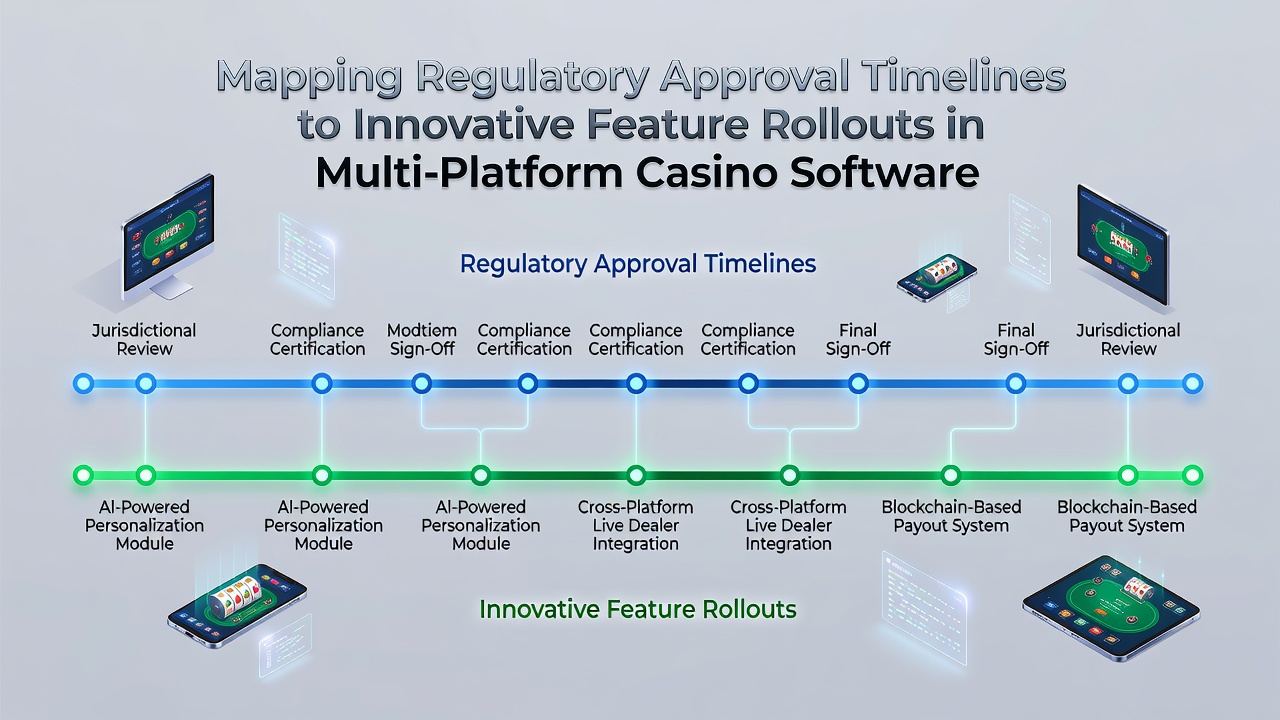
Software developers working on multi-platform casino systems must align their release schedules with regulatory review cycles that differ by jurisdiction, and this coordination determines when new features such as advanced bonus engines, cross-device loyalty integrations, or enhanced encryption layers reach players. Observers note that the process begins with detailed submissions covering technical specifications, security audits, and compliance documentation, after which regulators evaluate the materials while developers simultaneously prepare deployment pipelines for desktop, mobile, and tablet environments.
Core Stages of Regulatory Review
Each approval cycle typically moves through initial documentation intake, technical testing by certified labs, and final sign-off by the licensing authority, and these stages stretch from several weeks in streamlined markets to multiple months where additional scrutiny applies. Data from industry reports shows that features involving player funds or random number generators face longer reviews because they trigger mandatory third-party verification, whereas interface updates or minor graphics enhancements often clear faster. Researchers at the University of Nevada, Reno have documented how staggered submissions allow studios to test one platform at a time, reducing the risk of a single rejection halting an entire rollout.
Regional Variations in Approval Speed
Markets such as New Jersey and Pennsylvania maintain predictable calendars that let operators plan feature launches around quarterly compliance windows, and this structure supports synchronized releases across mobile apps and web clients. In contrast, emerging Canadian provincial frameworks require separate filings for each device type, which extends overall timelines but provides clearer pathways once initial certification is secured. By October 2026 several operators had synchronized their loyalty reward updates with the latest Ontario review schedules, allowing seamless activation on both iOS and Android builds without further delays. Australian regulators apply risk-based assessments that prioritize features affecting responsible gaming tools, and this focus has led studios to bundle such elements into early submissions to accelerate the rest of the package.
Aligning Innovation with Platform-Specific Requirements
Multi-platform environments demand that the same feature passes distinct technical checks for each operating system and screen size, and developers therefore maintain parallel certification tracks that converge only after all approvals arrive. One study revealed that studios using modular codebases can isolate platform-specific components, submit them independently, and still deliver a unified player experience once regulators clear each segment. This approach proves especially useful for innovations like real-time analytics dashboards or adaptive difficulty settings that must function identically on phones and desktops yet satisfy separate encryption standards per jurisdiction.
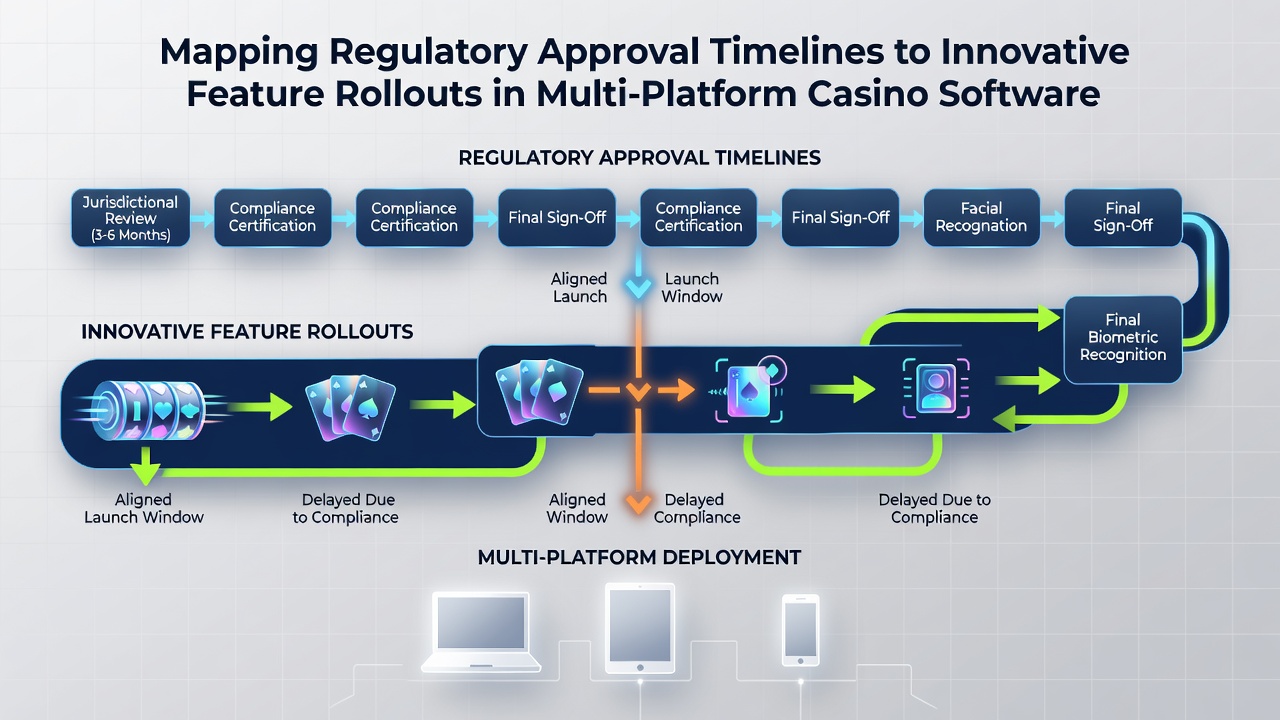
Payment integration modules illustrate the challenge clearly because they connect to banking partners and loyalty databases that fall under additional oversight. Teams often sequence these rollouts to follow core game engine approvals, creating a cascading timeline that keeps all platforms moving forward together. Observers note that companies tracking regulatory backlogs through public dashboards gain an edge in forecasting when a given feature will receive clearance across multiple regions.
Strategies for Synchronized Global Releases
Studios increasingly adopt shared compliance platforms that centralize documentation and version control, allowing updates to propagate once the slowest jurisdiction grants approval. Figures from the Nevada Gaming Control Board indicate that operators using such systems reduced average time from submission to live deployment by 18 percent over the past two years. Partnerships with testing labs that hold accreditation in several markets further compress timelines because preliminary results transfer more easily between authorities. Yet the reality is that unexpected policy shifts in any single region can still force re-submissions and delay coordinated launches across the full suite of platforms.
Conclusion
Mapping regulatory approval timelines to feature rollouts requires precise tracking of jurisdictional calendars, modular development practices, and proactive engagement with testing partners, and these elements together determine when innovations appear on player devices. As regulatory frameworks continue to evolve through 2026 and beyond, studios that maintain flexible certification pipelines stand positioned to deliver updates across desktop, mobile, and tablet environments without unnecessary lag. The process ultimately rests on documented evidence and sequential clearances rather than assumptions, ensuring that each new capability meets the standards of every market it enters.