Intersections Between Probability Engines and Encrypted Transaction Ledgers Shaping Loyalty Credit Flows in Portable Gaming Platforms
Written by Frankie Bauer · Sep 13, 2026
Intersections Between Probability Engines and Encrypted Transaction Ledgers Shaping Loyalty Credit Flows in Portable Gaming Platforms
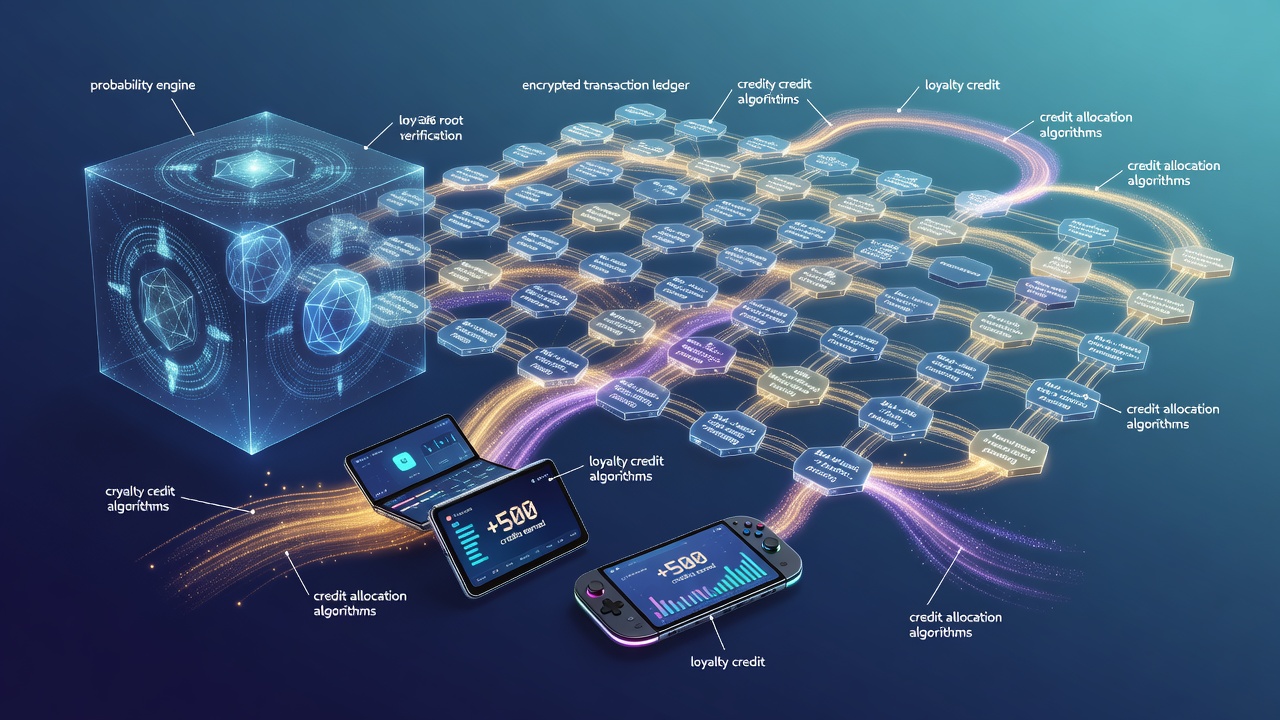
Probability engines generate random outcomes in digital games while encrypted transaction ledgers record every exchange with cryptographic security, and their combined operation determines how loyalty credits accumulate and transfer across mobile platforms, according to industry analyses from the European Gaming and Betting Association. Portable devices host these systems through apps that track player activity in real time, and data flows between the two components create pathways for reward distribution without exposing sensitive account details. Observers note that synchronization occurs at the software layer where random number generation feeds into ledger entries, which then calculate credit allocations based on predefined rules for wins, play duration, and engagement metrics.
Mechanics of Probability Engines in Mobile Environments
Probability engines rely on certified algorithms that produce unpredictable results for game events such as spins, draws, or challenges, and these outputs directly influence the volume of loyalty credits awarded during sessions on handheld devices. Research from academic institutions in Australia indicates that certified generators undergo regular audits to maintain fairness standards, while integration points allow the engine outputs to trigger ledger updates instantaneously. Game developers embed these engines within mobile frameworks so that each interaction registers as a transaction event, which the ledger then processes for credit validation and storage.
Encrypted Ledgers and Transaction Security
Encrypted transaction ledgers employ blockchain-style structures or similar distributed systems to log player actions with end-to-end encryption, preventing unauthorized alterations to credit balances across different network connections. Studies conducted by Canadian regulatory bodies have documented how these ledgers handle high-frequency updates from portable sessions, maintaining consistency even when users switch between Wi-Fi and cellular networks. The encryption layer ensures that loyalty credit movements remain verifiable yet private, linking each credit issuance back to specific probability outcomes without revealing underlying player identities to third parties.
Integration Points Driving Credit Flows
Connections between probability engines and ledgers occur through application programming interfaces that convert random outcomes into encrypted entries, and this process shapes loyalty credit flows by applying multipliers or thresholds derived from game mathematics. In September 2026, reports from multiple platform operators highlighted increased adoption of such integrated systems in response to growing mobile user bases, with data showing that credit redemption rates rose in markets where real-time ledger synchronization was implemented. Those who have examined the architecture describe a loop where engine results feed ledger queries, which then return updated credit totals to the device interface within milliseconds.
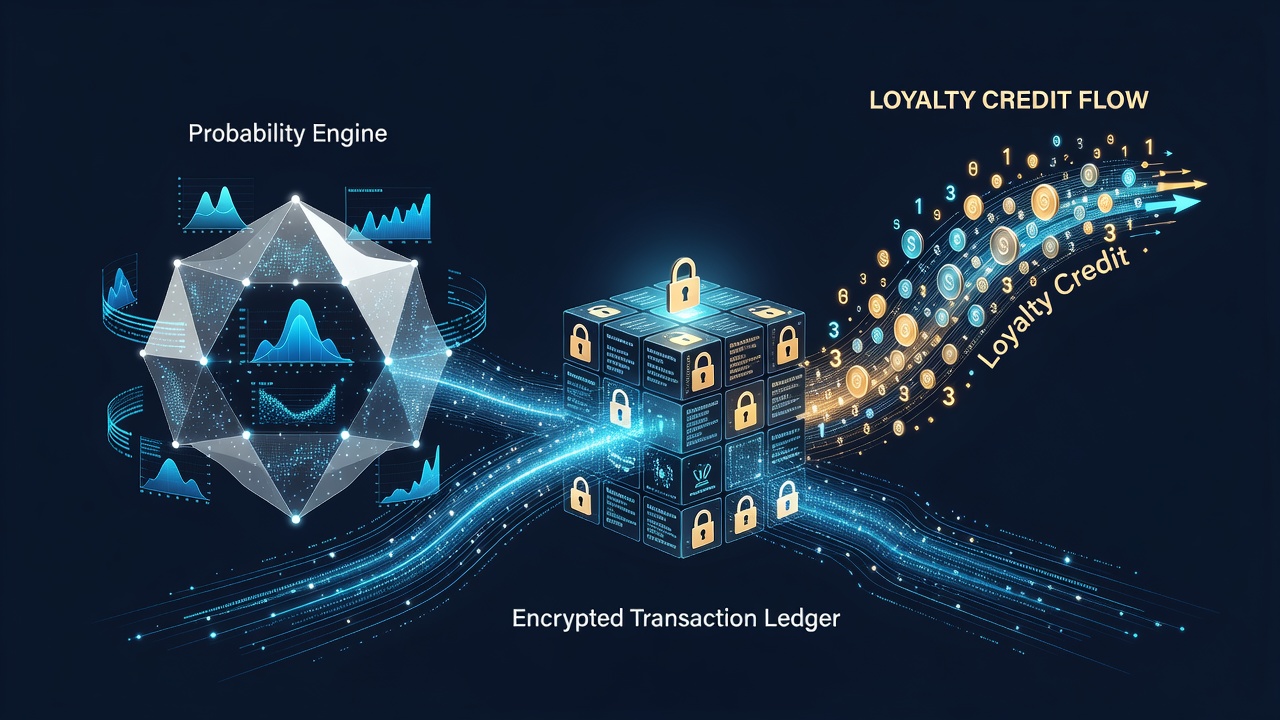
Developers often design these intersections to support cross-game portability, allowing credits earned in one title to transfer to another through ledger-verified pathways that reference the original probability calculations. Figures from North American gaming technology conferences reveal that platforms utilizing unified engines and ledgers experience fewer discrepancies in credit balances compared to segmented systems, and the reduction stems from automated reconciliation protocols embedded in the software stack.
Regulatory and Technical Considerations
Regulatory frameworks in various jurisdictions require that probability engines meet randomness standards while ledgers comply with data protection rules, and compliance testing now frequently examines the combined data pathways for loyalty credit handling. The Malta Gaming Authority has issued guidelines that address encryption requirements for transaction records tied to mobile gaming rewards, emphasizing audit trails that link engine outputs to final credit distributions. Technical teams working on these platforms report that scalability challenges arise when user volumes spike, yet solutions involving distributed ledger nodes have addressed latency issues in recent deployments.
Future Patterns in Portable Ecosystems
Emerging patterns show expanded use of hybrid models where probability engines incorporate player history data from ledgers to adjust reward probabilities within regulatory limits, creating dynamic loyalty flows tailored to individual device sessions. Industry reports compiled in September 2026 noted that several portable platforms introduced ledger-based credit staking features, allowing users to commit accumulated points toward higher-tier game access with outcomes still governed by certified engines. These developments build on existing infrastructure rather than replacing it, and geographic differences appear in adoption speed due to varying licensing timelines across regions.
Conclusion
The interplay between probability engines and encrypted transaction ledgers continues to define how loyalty credits move through portable gaming platforms, with each component contributing verifiable inputs that support secure and consistent reward mechanisms. Data from regulatory and research sources confirms ongoing refinements in these intersections, particularly as mobile usage expands and new synchronization techniques emerge. Observers tracking the sector expect further standardization of these processes to maintain transparency across international markets.