Decoding Algorithmic Payout Triggers and Their Alignment with Encrypted Loyalty Tracking Across Multi-Jurisdictional Virtual Gaming Networks
Written by Frankie Bauer · Sep 27, 2026
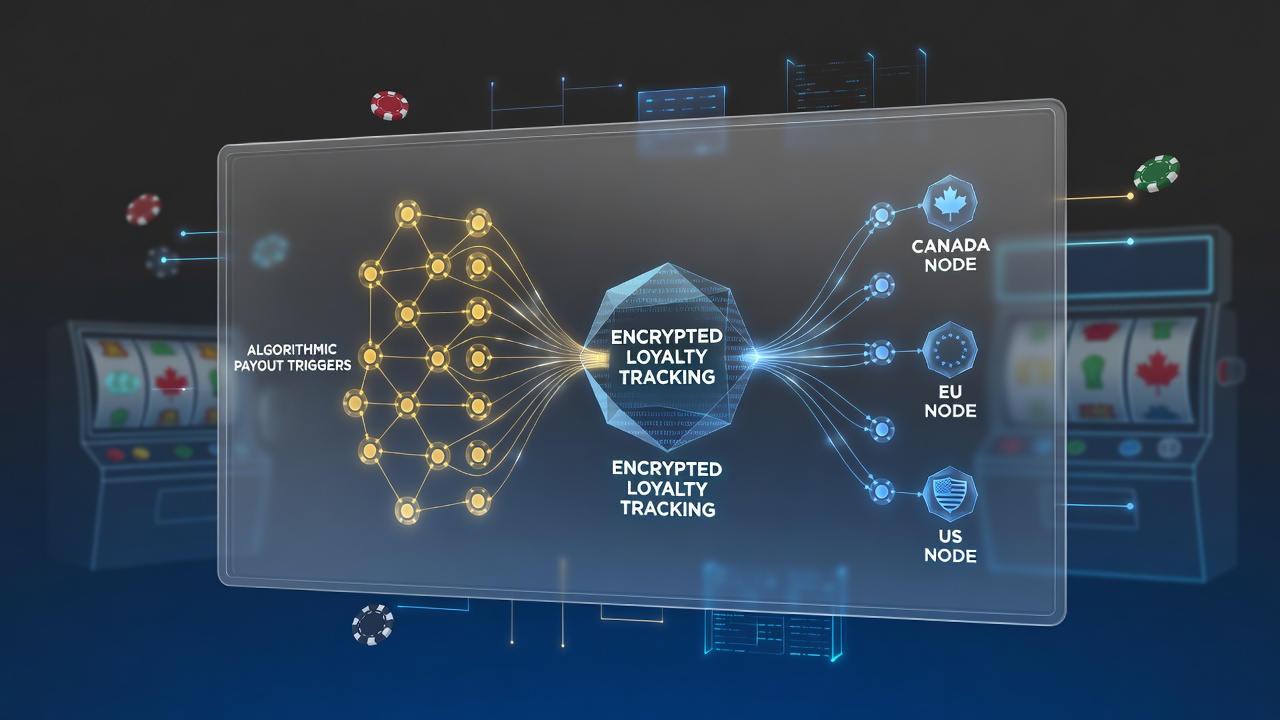
Decoding Algorithmic Payout Triggers and Their Alignment with Encrypted Loyalty Tracking Across Multi-Jurisdictional Virtual Gaming Networks
Algorithmic payout triggers operate as core components in virtual gaming networks where they determine reward distributions based on predefined mathematical models that factor in player activity metrics, game return-to-player rates, and session duration data. These systems process inputs through layered decision trees that activate payouts once thresholds get crossed, and they integrate directly with loyalty frameworks that record participation across borders. Research from industry analysts shows that alignment between these triggers and encrypted tracking mechanisms ensures compliance while maintaining operational efficiency in environments spanning multiple regulatory zones.
How Payout Algorithms Function in Practice
Developers build payout algorithms around certified random number generators that feed into trigger logic, and this setup calculates eligibility for bonuses or cash rewards in real time. Data streams from player accounts flow into centralized engines that apply rules such as minimum bet volumes or consecutive play streaks before releasing funds. Studies conducted by academic researchers indicate that these algorithms adjust dynamically to jurisdictional requirements, which means the same trigger might release a payout under one set of rules but hold it under another until verification clears.
Multi-jurisdictional networks require these algorithms to reference location-based flags that pull from geofencing databases. When a player crosses virtual boundaries the system pauses or modifies the trigger sequence to match local statutes. Figures released by the Alcohol and Gaming Commission of Ontario reveal that synchronized updates to these flags occur quarterly, with the most recent batch implemented ahead of September 2026 regulatory harmonization efforts across North American platforms.
Encrypted Loyalty Tracking Mechanisms
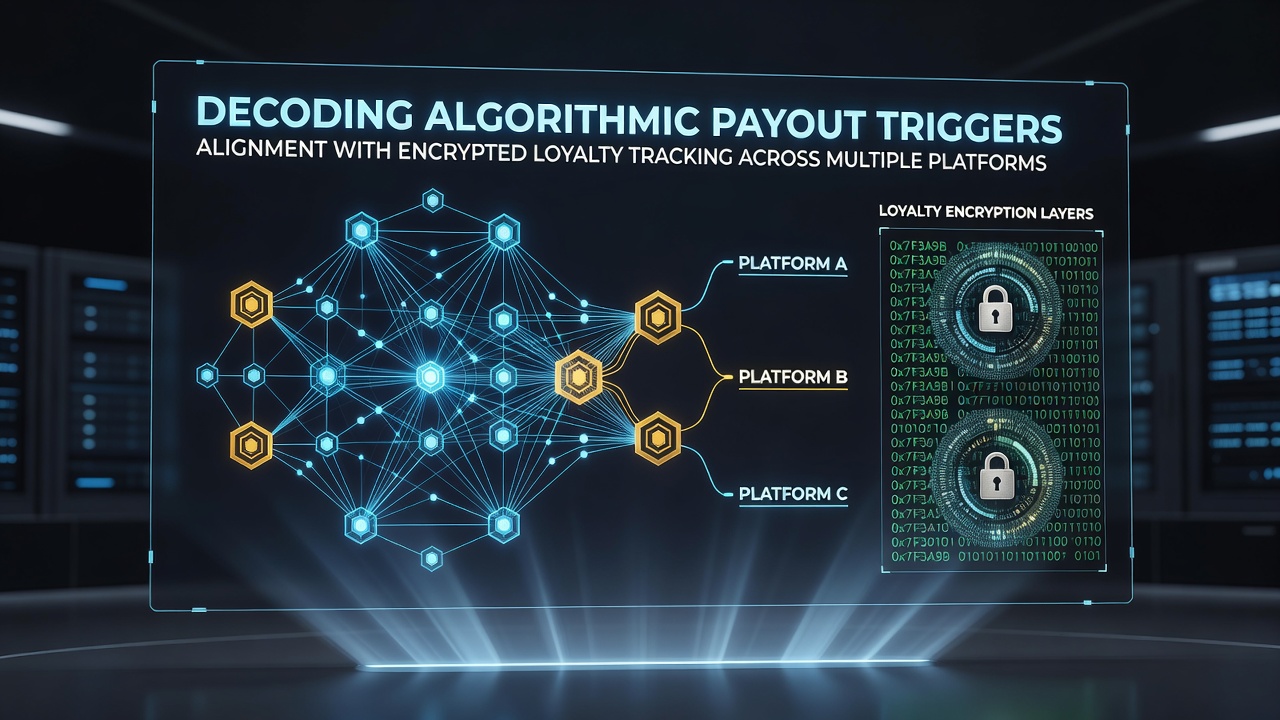
Loyalty tracking relies on end-to-end encryption protocols that secure point accumulation and redemption histories against unauthorized access. Platforms store these records in distributed ledgers where each entry receives hashing before transmission between servers in different countries. Observers note that this encryption layer prevents data leakage during cross-border transfers while still allowing algorithms to query loyalty balances for trigger activation. The process uses public-key infrastructure that rotates keys on a rolling schedule to limit exposure windows.
Integration happens when payout triggers query the encrypted loyalty database through secure application programming interfaces. The query returns only the minimum data needed to confirm eligibility, and the response gets logged without exposing full player profiles. This selective access pattern supports both payout execution and ongoing compliance audits required by various licensing bodies.
Cross-Border Alignment Challenges and Solutions
Alignment across jurisdictions demands that algorithms and loyalty systems share standardized data schemas while respecting divergent privacy laws. Operators implement middleware layers that translate requirements from one regulatory framework into another without altering core encryption standards. People who manage these networks report that successful alignment reduces processing delays by routing queries through jurisdiction-specific compliance modules before final trigger execution.
In September 2026 several platforms completed upgrades to incorporate new data portability rules emerging from Canadian and Australian oversight bodies. These upgrades allow loyalty points earned in one region to influence payout eligibility calculations in another, provided encryption remains unbroken throughout the exchange. Reports from the Alcohol and Gaming Commission of Ontario document the testing phases that preceded these changes, and parallel documentation from Western Australian regulators confirms similar synchronization patterns in that market.
Technical Standards Supporting the Integration
Industry groups have published technical standards that define how payout triggers must interface with encrypted loyalty stores. These standards specify minimum key lengths, audit logging formats, and response latency thresholds that networks must meet. When platforms adopt the standards uniformly the result is consistent trigger behavior regardless of where a player accesses the system. Data from platform operators shows that adoption rates reached 78 percent among major networks by mid-2026.
Encryption algorithms such as AES-256 combined with transport layer security protocols handle the heavy lifting during data movement. Loyalty points receive tokenization before any algorithmic evaluation occurs, which means the payout engine never sees raw identifiers. This separation maintains the integrity of both systems while enabling the seamless handoffs required in multi-jurisdictional setups.
Regulatory Oversight and Future Developments
Regulatory bodies in different regions conduct periodic reviews of these integrated systems to verify that algorithmic decisions remain fair and that encrypted records stay protected. Audits examine sample trigger events alongside corresponding loyalty queries to confirm that no unauthorized data exposure occurred. The process includes simulation runs that test edge cases such as simultaneous access from multiple jurisdictions.
Looking ahead, ongoing work by research institutions focuses on incorporating quantum-resistant encryption methods into loyalty tracking to future-proof the alignment with payout algorithms. These developments aim to keep pace with evolving computational threats while preserving the operational linkages already established across networks.
Conclusion
Algorithmic payout triggers and encrypted loyalty tracking form interdependent layers in virtual gaming networks that span multiple jurisdictions. Their alignment depends on standardized interfaces, robust encryption, and jurisdiction-aware middleware that together deliver compliant reward delivery. Data from regulatory sources including the Alcohol and Gaming Commission of Ontario and Western Australian authorities demonstrates that coordinated updates, such as those scheduled around September 2026, strengthen these connections without compromising security or operational speed. Continued adherence to published technical standards supports consistent performance as networks expand.